Fate and Impact of (Micro- and Nano-) Plastics on Health

Micro- and nano-plastics (MNP) are pieces of plastic below 5mm in size that have infiltrated everything on earth, including the top of mount Everest and the air we breathe. Microplastic problem is getting more and more attention: from alarming news articles to Doctor Who episodes. But what are the effects on our health? How can we solve the problem?
Complex global challenges such as microplastics need an interdisciplinary approach. By joining this summer school you will have a 360 education on the topic of microplastic. You will learn about causes and solutions from the perspective of different disciplines, including epidemiology, toxicology, social sciences and political sciences.
The following topics will be discussed:
-
What are the definitions, characteristics and causes of MNP pollution?
-
How does MNP enter our body?
-
What are the effects of microplastic on human health?
-
What could be potential solutions?
-
How to effectively raise awareness on microplastics and stimulate behavior change?
-
How to design policies to reduce MNP pollution?
We will offer a program balancing theory, practice and fun: you will attend a week of lectures, workshops, hands-on activities and social events.
By joining this summer school, you will learn about a topic of high societal importance, discover how to work together with people from different backgrounds, network with young students interested in global challenges like you.
Practical information
|
Dates
|
29 June - 2 July 2026 |
|
Location
|
Groningen, the Netherlands |
|
Level
|
For PhD students, Post-docs, Research Master students and practitioners |
|
Fees |
€ 450 - Standard fee for PhD students (PhD) students and researchers from UG and Enlight can request a grant to cover the fees
|
|
Academic coordinators
|
Irene Maltagliati, Barbro Melgert, Josefine Geiger |
|
Contact
|
microplastics.summerschool@rug.nl |
Requirements
Who is this summer school for?
This summer school is designed for PhD students, Post-docs, Research Master students and practitioners working on the topic of (micro/nano-)plastics.
It is expected that the participants have a sufficient command of the English language to actively participate in the discussions and to present their own work in English.
Course schedule
Preliminary schedule
Lectures
-
Introduction on Microplastics and Health
-
Exposure Routes and Emission Sources
-
Breathing and Ingesting MNPs
-
Developmental Toxicity
-
Policies on Public Health
-
Health Psychology and Communication
Group works
-
Client presentations
-
Brainstorming session: Define the problem
-
Working in groups
-
Final presentations: Design a solution plan
Parallel workshop:
-
Research storytelling
-
Eco-anxiety and mindfulness
-
Develop your citizen science initiative
-
Write your societal impact grant
Practical applications
-
Graphic medicine and health comics
-
Serious games on (micro)plastic
Social events
-
Welcome drinks
-
Scavenger hunt
-
Dinner
Learning outcomes
Learning outcomes
After this course you will be able to:
-
Describe the characteristics of micro- and nano-plastic and identify the causes of the problem in terms of emission sources and exposure routes
-
Describe the effects of microplastics to human health
-
Identify relevant political decision-making processes, product characteristics and psychological factors related to microplastics problem and solutions
-
Critically reflect on a complex topic form the perspective of different disciplines
-
Develop skills for interacting and collaborating with students and experts from different backgrounds
-
Apply interdisciplinary knowledge to plan and/or assess (preventative or remedial) policies, strategies and interventions
Workload
Preparation and self-study: 10 hours
Contact hours: 32 hours
Upon successful completion of the programme, the Summer School offers a Certificate of Attendance that mentions the workload of 42 hours (28 hours corresponds to 1 ECTS). Students can apply for recognition of these credits to the relevant authorities in their home institutions, therefore the final decision on awarding credits is at the discretion of their home institutions. We will be happy to provide any necessary information that might be requested in addition to the certificate of attendance
Introduction to lecturers

Prof. Dr. Barbro Melgert is a respiratory immunologist at the University of Groningen. Her group investigates how the immune system in the lung is impaired by toxic exposures and can be harnessed to treat chronic respiratory diseases like asthma, COPD and lung fibrosis. An important cause of lung disease is exposure to air pollutants, including microplastics. Recent work focuses on elucidating the effects of inhalable microplastics on human lung health with again special focus on interactions between structural lung cells and the local immune system.
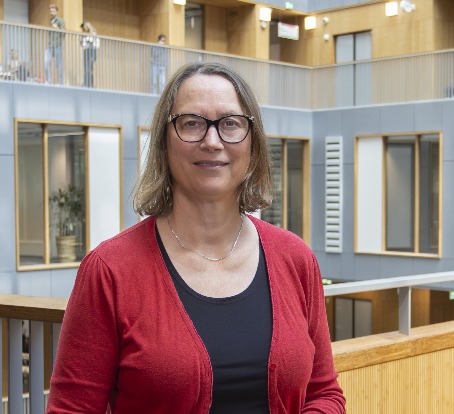
Prof. Dr. Marja Lamoree is a professor of Analytical Chemistry for Environment and Health Vrije Universiteit Amsterdam. She is an expert in the field of Effect-Directed Analysis, in which in vitro effect-based testing, chromatographic fractionation and high resolution mass spectrometry are used to identify Chemicals of Emerging Concern. She develops analytical methods for novel classes of compounds, including plastic additives and nano- and microplastics in environmental as well as human samples such as blood, amniotic fluid and placenta tissues.
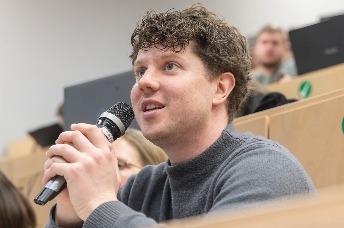
Dr. Luke Parker is a senior scientist at TNO, the Dutch Institute for Applied Natural Sciences. He did his PhD at Cardiff University investigating the design of novel nanoalloy catalysts for hydrogen production through ammonia decomposition. Afterwards, he moved to Utrecht University where he worked as a postdoc focussing on (nano)materials characterisation using micro-spectroscopic methods with a special focus on confocal fluorescence microscopy and single molecule fluorescence. At TNO, his work focuses on developing solutions to tackle microplastic pollution by understanding how these particles are formed, quantifying their release, characterising their physicochemical properties down to the nanoscale and understanding the degradation processes they may undergo. His favourite type of microplastic are tyre wear particles.
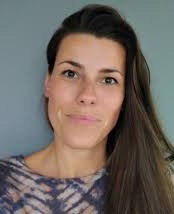
Dr. Hanna Dusza focuses on prenatal exposure to environmental pollutants and the effects they may have on the placenta and the developing fetus. Her current research efforts focus on in vitro placental models to study in utero toxicokinetics and toxicity of micro and nano plastic particles and associated endocrine disrupting chemicals (EDCs), within a ZonMW program (the Netherlands Organization for Health Research and Development). This is a pioneering research on the exposure and effects of microplastics in the human fetal environment.
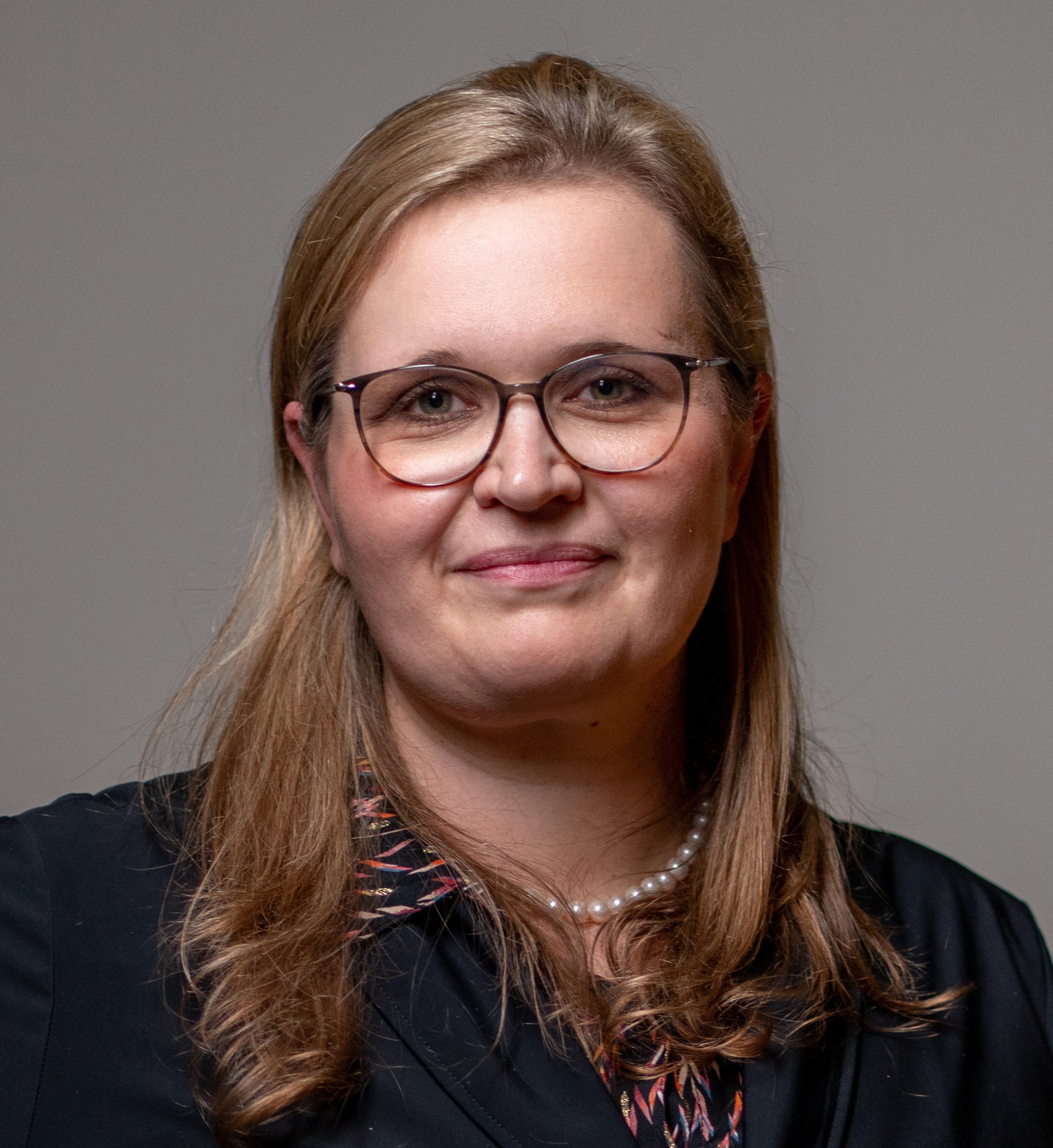
Dr. Janina Wildfeuer is Associate Professor in Communication and Information Studies at the University of Groningen. She is a multimodalist with a multi-faceted background in linguistics, semiotics, and discourse analysis and has more than 15 years of experience in working with visual and audiovisual communication. In her work, she deals with a broad variety of communicative artefacts with expertise in films and audiovisual data, comics, social media and games. Recently, her focus is on how (audio-)visual communication can help building a better future for our society.
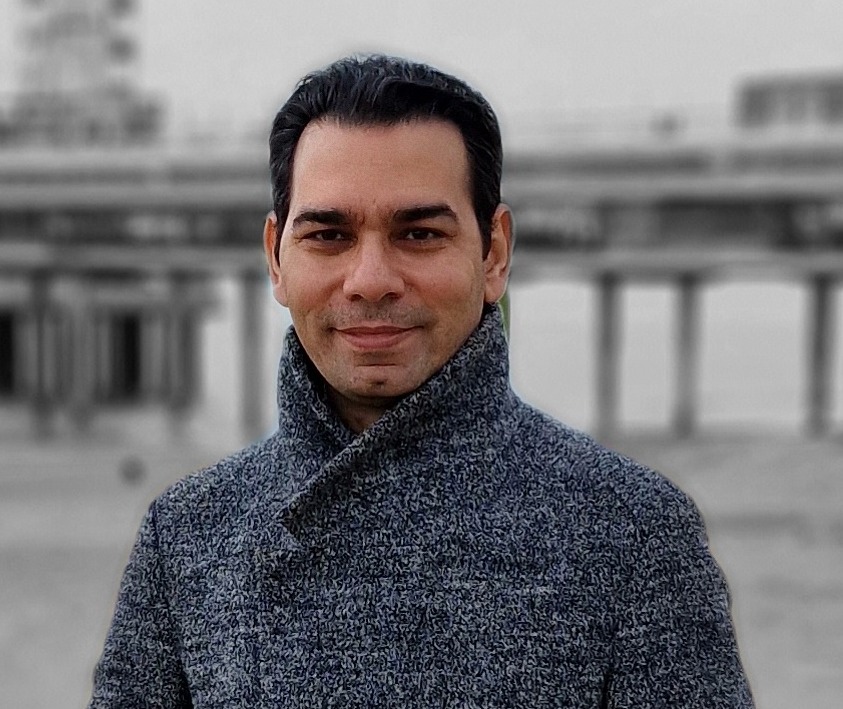
Dr. Mohammad Gharesifard is assistant professor and head of the Citizen Science research team at the Faculty of Science and Engineering, University of Groningen. He specializes in the theory and applications of citizen science for water and environmental management, and particularly how stakeholder engagement and use of Information Communication Technologies (ICTs) can translate into changes in existing actor relationships, learning, and decision making across different levels of society and governance. He currently serves as a member of the NWO Open Science NL Advisory Panel on Citizen Science and Societal Engagement.
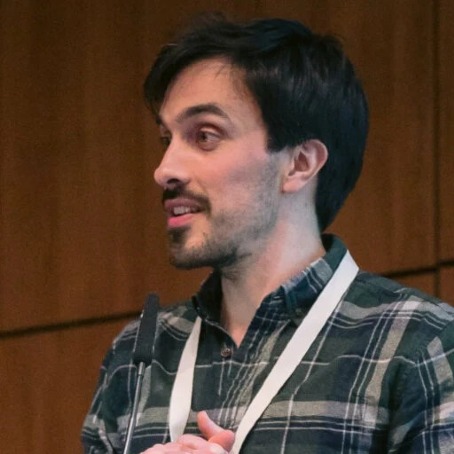
Dr. João Graça is an Assistant Professor at the University of Groningen and works at the intersection of behavioral and communication sciences, with a focus on health and sustainability. His expertise includes testing frames and messages to promote health and pro-environmental policies and behaviors, as well as designing and evaluating programs (e.g., needs assessment, community interventions). He is familiar with several qualitative, quantitative, and mixed-methods approaches.
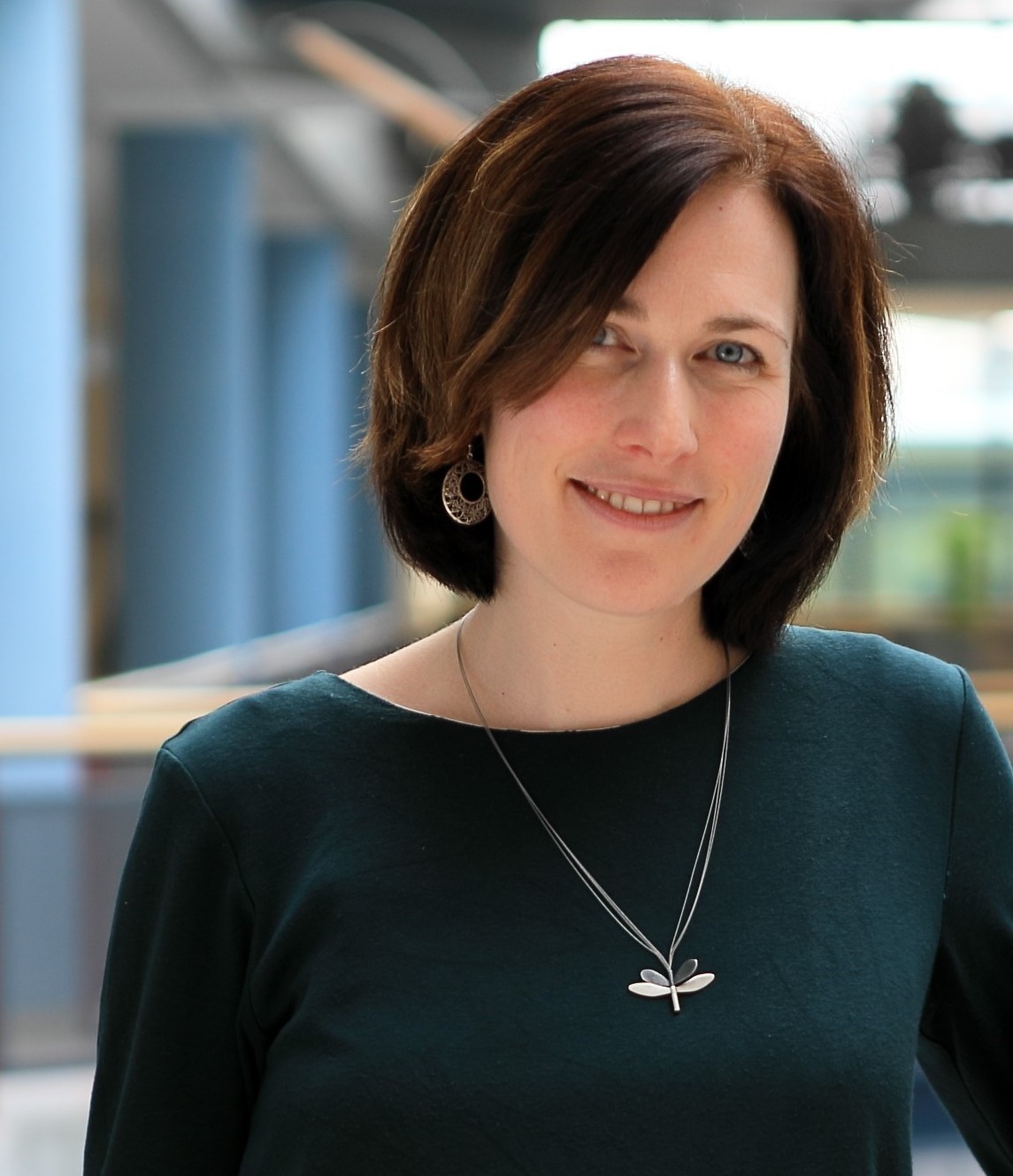
Dr. Anja Smykowski is a former researcher, trainer and facilitator with a strong focus on storytelling for research, collaboration, and real-world impact. In her position as manager of the Grant and Impact Office at the UMCG, she helps researchers translate complex ideas into clear, engaging narratives that resonate with audiences beyond their own field.
In this workshop, Anja will guide participants in using storytelling techniques to structure and deliver a compelling pitch for an NGO challenge. Her approach is interactive, practical, and designed to help PhD students and postdocs communicate their ideas with clarity and purpose.
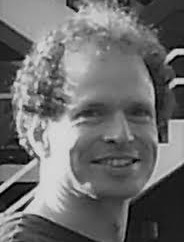
After working in fossil fuels, Philip Kocken co-founded a sustainable energy cooperative. Now, through mindfulness, compassion, and play, he supports students in breaking free from “business as usual.” His purpose? To help them reconnect with what matters, face and embrace today’s challenges, and discover their unique role in shaping a regenerative future.
Applications
How to apply?
To apply, kindly fill out the online application form and include the following:
-
Curriculum Vitae (max. 2 pages)
-
Motivation letter, clearly stating why you want to join this summer school, what you will bring to the school and what you hope to learn (max. 1 page)
The application deadline is 15 March 2026. Applications will be reviewed after the deadline has passed and the applicants will be informed of the outcome of the selection process by 31 March 2026.
It is still possible to apply after the application deadline. Applications submitted after the deadline will be added to the waiting list.